
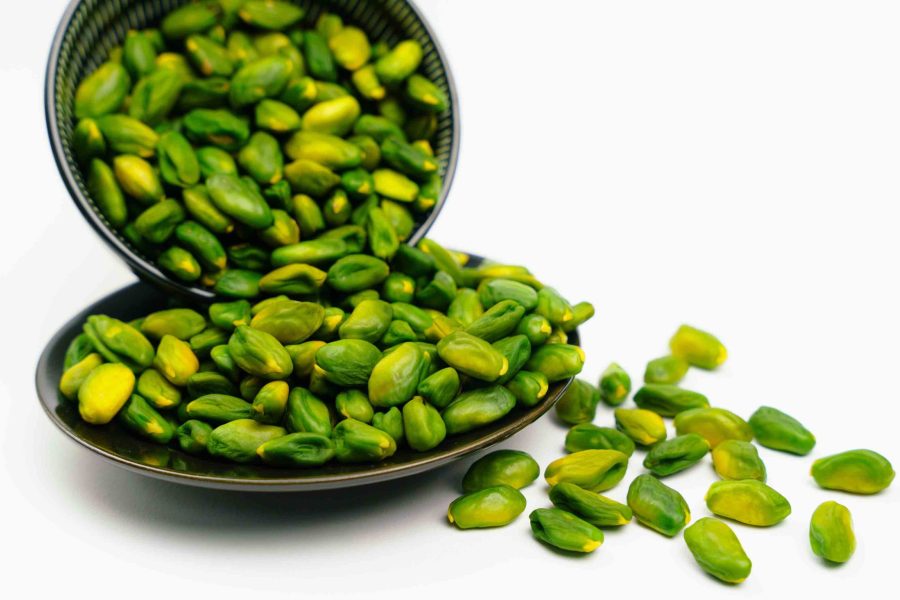
Exporting Iranian pistachio products is one of the most profitable branches of agricultural trade in the Middle East. From pistachio slivers to pistachio butter, each product can independently find its target market worldwide. However, success in this field depends not only on quality but also on a deep understanding of the market, export regulations, international marketing, and other details covered in this article.
Next, you will learn the 7 golden secrets to success in exporting pistachio products.
One of the most important steps for successful export is understanding the target market. For example:
European markets are interested in organic products with elegant packaging.
Arab countries such as the UAE and Qatar demand luxury products like pistachio slivers with a distinctive green color.
China and India focus more on competitive pricing and bulk purchases.
Golden Tip: Always conduct a SWOT analysis of the destination country before exporting.
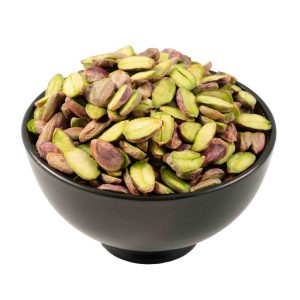
Successful export is impossible without high quality. Pistachio products such as:
All must be processed with advanced equipment and in accordance with standards.
They must be produced under hygienic conditions. Standards such as HACCP, ISO 22000, and FDA must be followed to ensure the product is not rejected at the destination country’s customs.
The product’s appearance is the first language of international trade. Packaging should:
Include bilingual labeling (e.g., Persian and English or Arabic)
Include production and expiration dates, ingredients, and nutritional information
Be resistant to light and moisture
در حجمهای متنوع عرضه شود (مثلاً ۲۵۰ گرمی، ۵۰۰ گرمی، ۱ کیلویی و فله)
To gain visibility in the international market, you must be active. It is recommended to participate in exhibitions such as:
Gulfood (Dubai)
Anuga (Germany)
Iran Agrofood (Tehran)
Have a presence there, as bulk buyers source products from these platforms.
Many exporters, lacking sufficient knowledge of the destination country’s import regulations, have their products held up at customs.
For example:
The European Union requires an aflatoxin certificate.
Some countries, like Japan, are very strict about additives and artificial colors.
Arab countries require a Halal certificate.
If you want to be more than just a simple exporter in the global market, build a brand!
Characteristics of a Successful Brand in Pistachio Product Export:
A simple yet memorable logo
An export slogan (e.g., “Green Taste of Persia”)
A bilingual or multilingual website
Presence on social media platforms such as LinkedIn or Instagram
Providing free samples to bulk buyers
International buyers place great importance on health aspects. Showing the precise nutritional value of each product has a significant impact on sales.
Below is the nutritional value table of some pistachio products:
| Product Name | Energy (kcal) | Protein (g) | Healthy Fats (g) | Fiber (g) | Vitamin E (mg) |
|---|---|---|---|---|---|
| Pistachio Slivers | 560 | 20 | 45 | 10 | 2.5 |
| Pistachio Powder | 555 | 19.5 | 44 | 9.8 | 2.3 |
| Pistachio Butter | 600 | 17 | 50 | 8.5 | 2.9 |
| Pistachio Kernels | 558 | 20 | 43 | 10.2 | 2.4 |
| Sliced Pistachios | 552 | 19 | 42 | 9.6 | 2.1 |
| Shelled Pistachios | 548 | 18.5 | 41 | 9.2 | 2.0 |
Exporting Iranian pistachio products, from slivers to pistachio butter, offers a unique opportunity for sustainable profit, international market expansion, and increased foreign exchange for the country. However, for those who enter this field without planning, market knowledge, or adherence to standards, the path will be challenging and risky.
As discussed in this article, product quality alone is not enough. A combination of deep understanding of the target market, use of technology in processing, professional packaging design, awareness of export regulations, consistent activity on B2B platforms, strategic branding, and providing accurate nutritional information can be the key to your success in the global market.
On the other hand, today’s global market is rapidly changing. Competitors from countries like Turkey, the USA, and Syria are targeting larger market shares every day with newer packaging models and more precise pricing. In such a context, Iranian exporters must use up-to-date knowledge, market research, and an export-oriented approach to maintain and strengthen the position of the Iranian brand in the international market.
Products such as pistachio powder, pistachio slivers, pistachio butter, and pistachio kernels are not just food items; they are symbols of quality, Iranian craftsmanship, and significant economic opportunity. Every gram of these products can be converted into dollars with proper packaging—provided that you not only read these seven secrets but also put them into practice.
Therefore, if you aim for an effective entry into the global market or want to increase your export share, start planning now. Build a strong brand, align your products with market needs, and engage professionally with international customers. Exporting pistachio products is not just a business; it is a future-shaping path for every smart producer and trader.


