The Impact of War on Iran’s Dried Fruit Industry: From Threat to Opportunity
Introduction
The Iranian dried fruit industry—one of the country’s oldest and most prestigious export sectors—has repeatedly faced major disruptions during political and military crises, including regional conflicts. Military tensions not only affect target markets but also destabilize the entire supply chain, export logistics, insurance processes, foreign exchange rates, and even agricultural harvesting cycles. This article provides
a comprehensive analysis of how warfare impacts Iran’s dried fruit industry and outlines practical strategies for turning these threats into opportunities.
⸻
1. Disruption in export and logistics routes
One of the first effects of wars is the closure of land, sea, or air routes. For example:
•Red Sea conflicts and attacks on ships have increased cargo insurance costs.
•The crises in Syria and Iraq have severely limited Iran’s land route to the Mediterranean countries.
•As a result, the cost of transporting dried fruits such as pistachios, almonds, raisins, and figs has increased significantly.
🔹 Direct impact: Reduced competitiveness in global markets due to increased final prices.
⸻
2. Sharp Currency Fluctuations and Their Impact on Dried Fruit Prices
Wars are usually accompanied by instability in the currency market. In Iran, this instability often appears as sudden spikes in the dollar exchange rate.
📉 Effects of Currency Fluctuations:
• Higher costs for packaging, processing equipment, and raw materials.• Higher costs for packaging, processing equipment, and raw materials.
• Exporters become discouraged from signing long-term contracts.
• Increased difficulty in setting export prices for dried fruits.
⸻
3. Decline in Demand in Target Markets
During wartime, importing countries shift their focus from non-essential goods to securing essential supplies. As a result:
• Exports of products such as pistachios, almonds, and raisins decrease.
• Iran’s traditional customers (such as Yemen, Lebanon, and Russia) lose their purchasing power.
💡 Example: The Ukraine war has led to a drop in demand for dried fruits in Eastern Europe and shifted Iran’s export routes toward Southeast Asia.
_____
4. Damage to Agricultural Infrastructure and Raw Material Supply
If war spreads within Iran’s borders or occurs near production provinces such as Kerman, Khorasan, or Qazvin, the following risks may arise:
• Reduced safety for farmers during the harvest season.
• Disruption in transporting produce from orchards to processing facilities.
• Rising costs of inputs (fertilizers, pesticides, labor).
📌 Outcome: A decline in both the quality and quantity of raw dried fruits, which form the basis of the final product.
⸻
5. Rising Insurance, Banking, and Customs Costs
In wartime or quasi-war conditions, the ancillary costs of exporting dried fruits increase as follows:
• Cargo and transit insurance rates rise.
• Banks suspend or delay LC (Letter of Credit) services.
• Customs clearance at borders faces heightened security scrutiny.
⸻
6. Changes in Consumer Preferences and Export Opportunities to Neutral Countries
During wartime, consumers in affected countries tend to prefer products that:
• Are more affordable
• Have a longer shelf life
• Come in simpler packaging
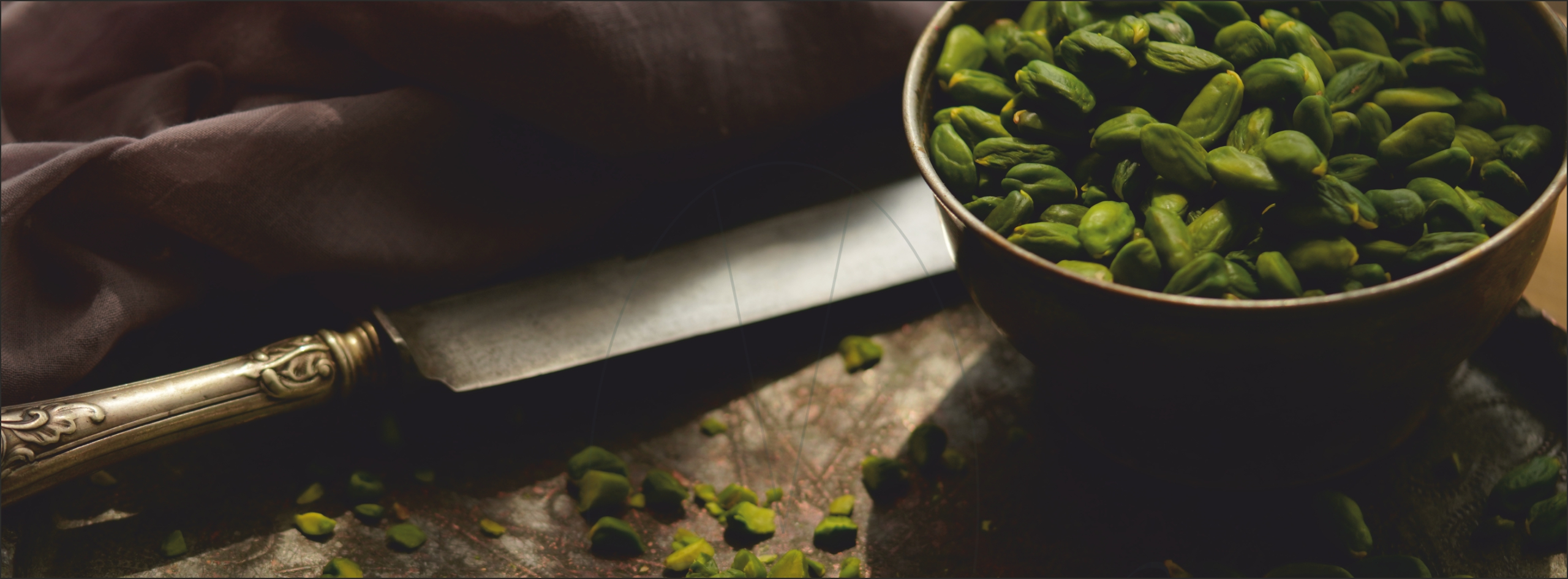
to purchase. This shift creates new export opportunities for processed products such as pistachio powder or chopped pistachios.
📈 Key Opportunity: Countries like Oman, Qatar, and India can serve as alternative and neutral markets.
⸻
7. Opportunity for Post-War Reconstruction and Strategic Exports
During the post-war reconstruction period, the consumption of dried fruits typically rises to support general nutrition and aid programs. Countries that can act during this time are likely to capture a significant share of the market.
Historical Example:
• After the Iraq War (2003), Iran’s exports of pistachios and raisins to the country saw a significant surge.
Table: Impacts of War on Iran’s Dried Fruit Industry
| Indicator |
|
Negative Impact |
|
Potential Opportunity |
| Transport Routes |
|
Disruption in land and sea transit |
|
Use of alternative routes such as Turkey’s rail lines |
| Currency Rate |
|
Severe fluctuations and instability |
|
Export profitability at higher rates |
| Target Markets |
|
Decline in demand in war-affected countries |
|
Expansion of exports to neutral countries |
| Raw Material Production |
|
Reduced safety and harvest quality |
|
Investment in safer regions of the country |
| Insurance & Banking |
|
Rising costs and suspension of LC services |
|
Use of cryptocurrencies and innovative financial methods |
| Consumer Preferences |
|
Decreased demand for luxury goods |
|
Export of more affordable processed dried fruits |
| Post-War Period |
|
Market uncertainty |
|
Increased consumption during the reconstruction phase |
Conclusion: How Can Iran’s Dried Fruit Industry Survive During Wartime?
Wars, despite all the hardships and threats they bring, also offer an opportunity to reshape export strategies. Professional dried fruit exporters should:
• Diversify target markets
• Invest in processing and packaging technologies
• Be ready to adjust export routes
and pay attention to changing consumer needs during wartime and post-war periods to pave the way for sustainable growth.
Ultimately, flexibility and rapid market analysis are the most crucial keys to the survival of Iran’s dried fruit industry in times of crisis.